
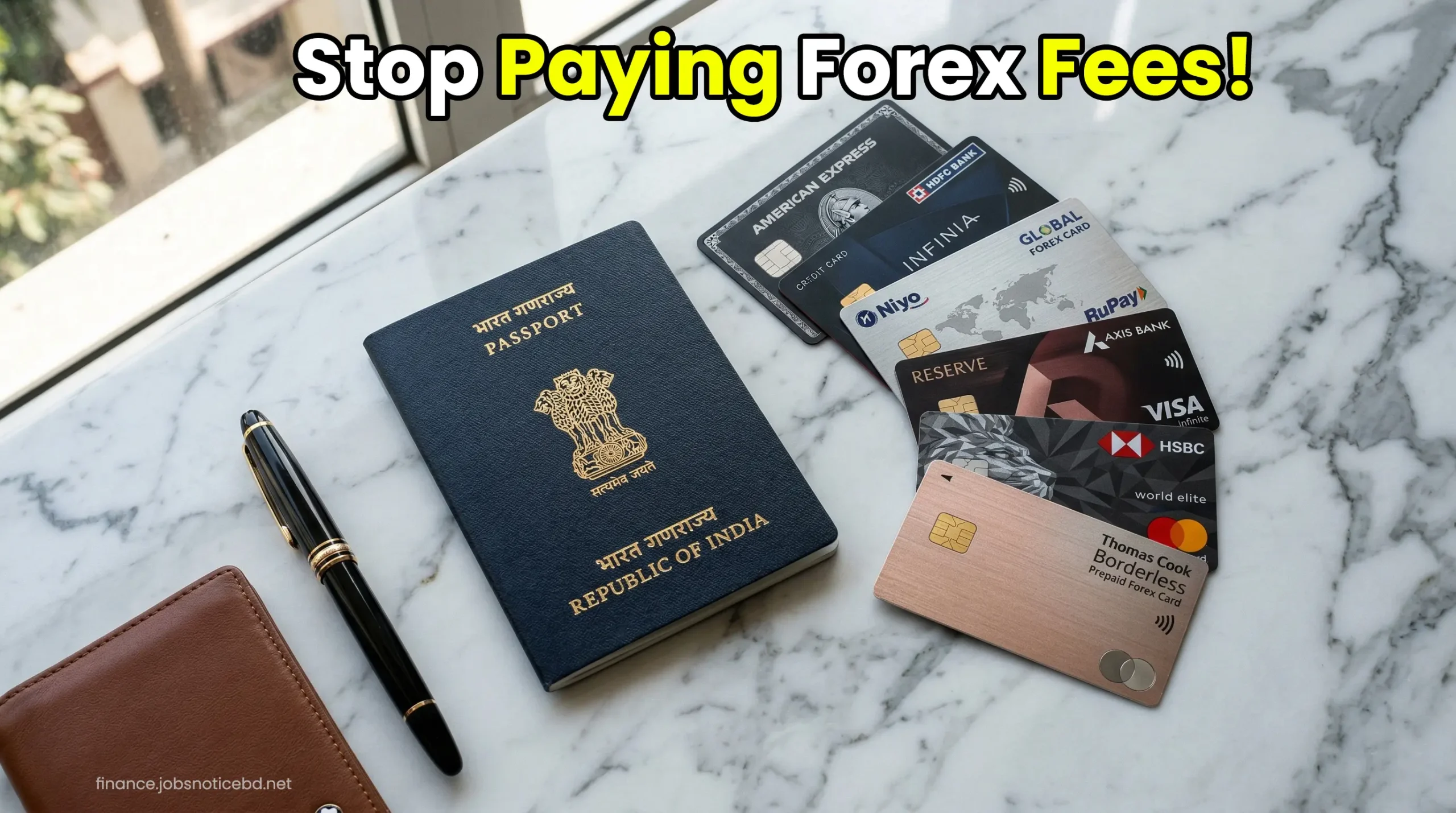
Every international trip you take comes with a silent, invisible financial leak that drastically drains your vacation budget. Indian travelers consistently lose millions of rupees annually to complex banking architectures, hidden conversion spreads, and predatory transaction fees. This comprehensive master guide dismantles those banking structures, revealing exactly how to protect your hard-earned capital.
By completely overhauling and optimizing your global payment ecosystem, you can seamlessly bypass foreign transaction fees and elevate your international travel experience to a premium level. Understanding the mechanics of cross-border payments is no longer a luxury; it is an absolute necessity for the modern globetrotter.
Smart Finance Disclaimer: The financial strategies, card benefits, and premium hacks detailed in this guide are strictly for educational purposes. Banking terms, foreign exchange rates, and credit card reward structures fluctuate continuously in the real market. Always consult your issuing bank directly and read the most recent terms and conditions before executing high-value international transactions or applying for new credit lines.
Never rely entirely on a single payment method while abroad. Always carry one primary zero forex markup credit card for major expenses (luxury hotels, flights, dining) and a multi-currency prepaid card strictly for international ATM withdrawals to minimize cash advance fees.
Always choose to pay in the local currency of the country you are visiting. Selecting INR at a foreign terminal triggers Dynamic Currency Conversion (DCC), instantly adding a hidden 5% to 7% surcharge to your final bill without your explicit knowledge.
Premium travel credit cards offer Priority Pass or DreamFolks memberships. These powerful networks provide complimentary access to thousands of VIP airport lounges globally, saving you roughly $40 to $50 per layover on food and comfort.
The Invisible Thief: Understanding Forex Markup Mechanics
The very moment you swipe a standard, non-travel Indian debit or credit card abroad, multiple hidden financial mechanisms activate instantly. The most prominent and damaging of these is the Foreign Currency Markup fee. This is an arbitrary percentage applied by your issuing bank back in India to allegedly cover the risk of currency fluctuation during the international settlement period.
Most standard banking products charge a punishing forex markup ranging from 2.5% to 3.5% per transaction. When you factor in the additional mandatory 18% Goods and Services Tax (GST) levied specifically on this markup fee amount, the true cost climbs exponentially. Thoroughly understanding these hidden forex markup charges is the absolute first step toward achieving financial efficiency abroad.
Beyond the bank’s markup, the base currency conversion rates are determined by network providers like Visa, Mastercard, or Amex. These network rates are generally highly competitive and very close to the mid-market Google rate, but they still include a microscopic spread. Using specialized travel finance instruments neutralizes the massive bank-side markup completely, leaving you to only pay the fair network rate.
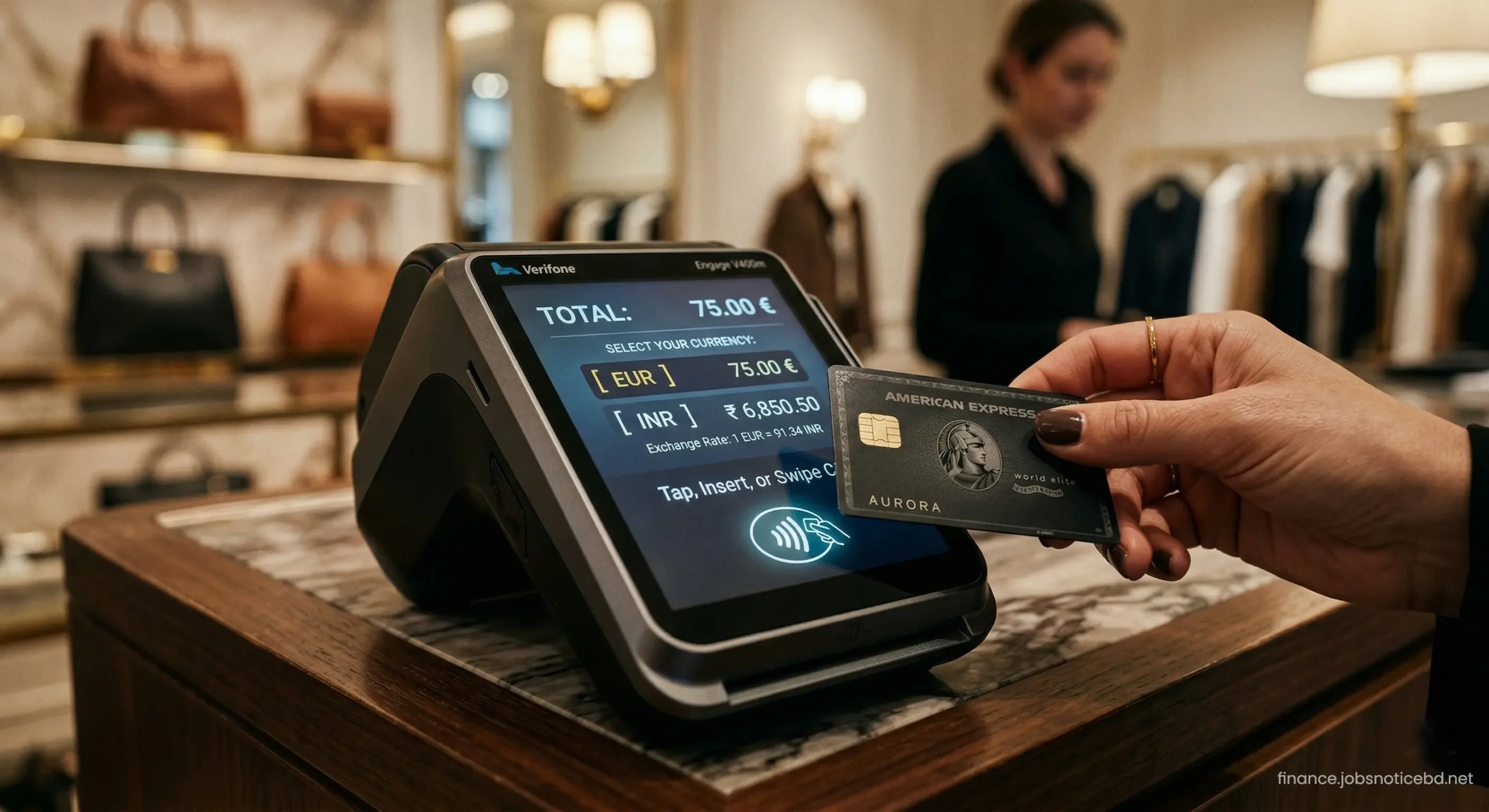
Dynamic Currency Conversion (DCC) Explained in Detail
The most dangerous and frequently encountered trap for international travelers is Dynamic Currency Conversion (DCC). When a foreign merchant’s point-of-sale terminal asks if you want to be billed in Indian Rupees (INR) or the local currency (like Euros or USD), selecting INR seems comforting and highly convenient. However, this is a massive financial illusion designed to extract wealth.
Choosing INR allows the foreign merchant’s acquiring bank—not your home bank or Visa/Mastercard—to set the exchange rate. They use highly unfavorable, artificially inflated exchange rates to maximize their own profit margins. The markup on a DCC transaction can easily exceed 7%, completely ruining your travel budget on a single hotel checkout or luxury purchase.
To preserve your capital, you must emphatically decline DCC every single time it is offered. Always instruct the merchant to process the transaction in the local currency of the country you are standing in. Let the Visa or Mastercard network handle the currency conversion at their much cheaper, heavily regulated wholesale rates.
Travel Credit Cards vs. Multi-Currency Prepaid Forex Cards
Building a robust, fail-proof travel wallet requires deeply understanding the distinct advantages and severe limitations of different financial tools. A premium travel credit card provides a vital line of credit, exceptional security against digital fraud, and lucrative reward points. It is the optimal, undisputed tool for booking flights, reserving luxury hotels, and paying for high-end dining experiences.
Conversely, a multi-currency prepaid forex card allows you to proactively lock in exchange rates prior to your departure from India. By loading foreign currency when the Indian Rupee is performing strongly against the target currency, you completely insulate yourself from market volatility during your trip. These prepaid cards are heavily regulated, completely detached from your main bank account, and excellent for strict travel budgeting.
| Feature / Metric | Premium Travel Credit Card | Prepaid Multi-Currency Forex Card |
|---|---|---|
| Exchange Rate Risk | Subject to live market rates at the exact time the transaction is settled. | Locked-in rates upon initial loading, protecting against sudden depreciation. |
| Primary Financial Benefit | High reward points, premium milestone benefits, and complimentary lounge access. | Strict budget control and significantly lower cash withdrawal fees at ATMs. |
| Acceptance Limitations | Universally accepted for all merchant categories, including crucial security deposits. | Sometimes rejected for hotel security holds, rental cars, or automated toll booths. |
| ATM Cash Advances | Exorbitant fees (often 2.5% to 3.5% of amount plus immediate high interest). | Low, fixed nominal fee per withdrawal, making it the ideal choice for carrying cash. |
For high-net-worth individuals and frequent corporate flyers, the credit card is the primary, non-negotiable instrument. However, carrying both creates a fail-safe ecosystem. If a credit card network experiences an outage or your card is flagged for fraud, your fully loaded forex card ensures you are never stranded in a foreign country without purchasing power.
Top Zero Forex Markup Credit Cards in India Evaluated
The Indian banking sector has evolved rapidly to cater to the modern, sophisticated global citizen. Several top-tier financial institutions now offer elite credit cards featuring absolute zero markup on foreign currency transactions. These highly specialized products are specifically engineered for international business operations, extensive medical tourism, and luxury vacations.
Premium offerings like the HDFC Regalia VIP and SBI Elite have completely dominated the market by combining zero markup capabilities with aggressive reward multipliers on all international spends. Many users debate the features of these financial giants, leading to the ultimate showdown of the SBI Elite vs HDFC Regalia to determine which card offers the absolute best milestone benefits for frequent flyers.
If you are planning a trip to the UAE, selecting the right card is crucial due to the incredibly high volume of retail shopping and gold purchases. Finding the best travel card for Dubai requires meticulously analyzing your specific spending patterns against the card’s annual fee structure and UAE Dirham conversion efficiency.

When evaluating these premium credit cards, it is crucial to look far beyond the basic forex markup feature. Deeply consider the complimentary international lounge access via networks like Priority Pass. Evaluate the comprehensive travel insurance coverage that comes baked into the card’s benefits, which frequently covers lost baggage, severe flight delays, and emergency medical evacuation.
Furthermore, aggressively assess the milestone benefits. Many premium travel cards completely waive the hefty annual fee if your total yearly expenditure crosses a specific, achievable threshold. This effectively provides you with top-tier financial privileges and zero markup capabilities at an absolute zero holding cost for the year.
Never, under any circumstances, use a travel credit card to withdraw cash from an international ATM. Credit card companies treat this action as a “Cash Advance.” They will instantly charge a flat fee (often $5 to $10) PLUS an exorbitant interest rate (up to 40% annualized) that begins accruing the very second the cash leaves the machine. There is absolutely no 45-day grace period for cash advances. Always use a dedicated prepaid forex card or an international debit card for ATM liquidity.
Best Multi-Currency Prepaid Forex Cards in the Market
For students pursuing higher education abroad, families on strict travel budgets, and careful medical tourists, multi-currency forex cards remain the undisputed gold standard of financial safety and predictability. These smart cards allow you to hold up to 15 different global currencies simultaneously on a single piece of plastic, shielding you from real-time currency drops.
Modern fintech disruptors have completely revolutionized this space over the last few years. By reading a detailed Niyo Global card review, you will clearly see how they offer INR-based zero markup accounts that utilize live Visa exchange rates without the need to pre-load specific currencies. Traditional banking giants like ICICI and Axis Bank also offer highly reliable multi-currency cards with deep integration into their native, secure banking applications.
| Card Issuer / Bank | Forex Markup | Best Standout Feature | Ideal User Profile |
|---|---|---|---|
| Niyo Global (Equitas/DCB) | 0% Markup | Live INR loading, high interest on savings balance, and zero joining fees. | Digital nomads, international students, and frequent leisure travelers. |
| ICICI Sapphiro Forex | Locked-in Rates | Holds 15 global currencies, comprehensive insurance, and dedicated concierge. | Long-term expatriates, medical tourists, and multi-country Euro-trippers. |
| BookMyForex Multi-Currency | Exact Interbank Rate | Same-day doorstep delivery in India and seamless digital app management. | Last-minute travelers and families wanting physical card security. |
| Axis Bank Multi-Currency | Locked-in Rates | Massive branch network for physical reloads and strong fraud protection. | Senior citizens and travelers who prefer traditional banking support. |
When carefully selecting a prepaid card, meticulously review the reloading fees, inactivity fees, and specifically the cross-currency charges. A cross-currency charge occurs when you hold USD on your card but swipe it in London for British Pounds. The bank will charge a massive premium to internally convert your USD balance into GBP before paying the merchant.
Navigating International ATM Withdrawals Like a Pro
Despite the massive global shift toward cashless transactions and tap-to-pay systems, possessing physical foreign currency remains a critical, non-negotiable safety net. Street vendors in Bangkok, local transport networks in Paris, and small cafes in Rome often operate strictly on cash. Therefore, executing cost-effective international ATM withdrawals is a vital travel skill.
Every international ATM withdrawal typically incurs two distinct, highly painful fees. The first is a flat international cash withdrawal fee charged by your home bank in India. The second is an access fee or surcharge charged directly by the foreign bank that actually owns the physical ATM machine you are standing in front of.
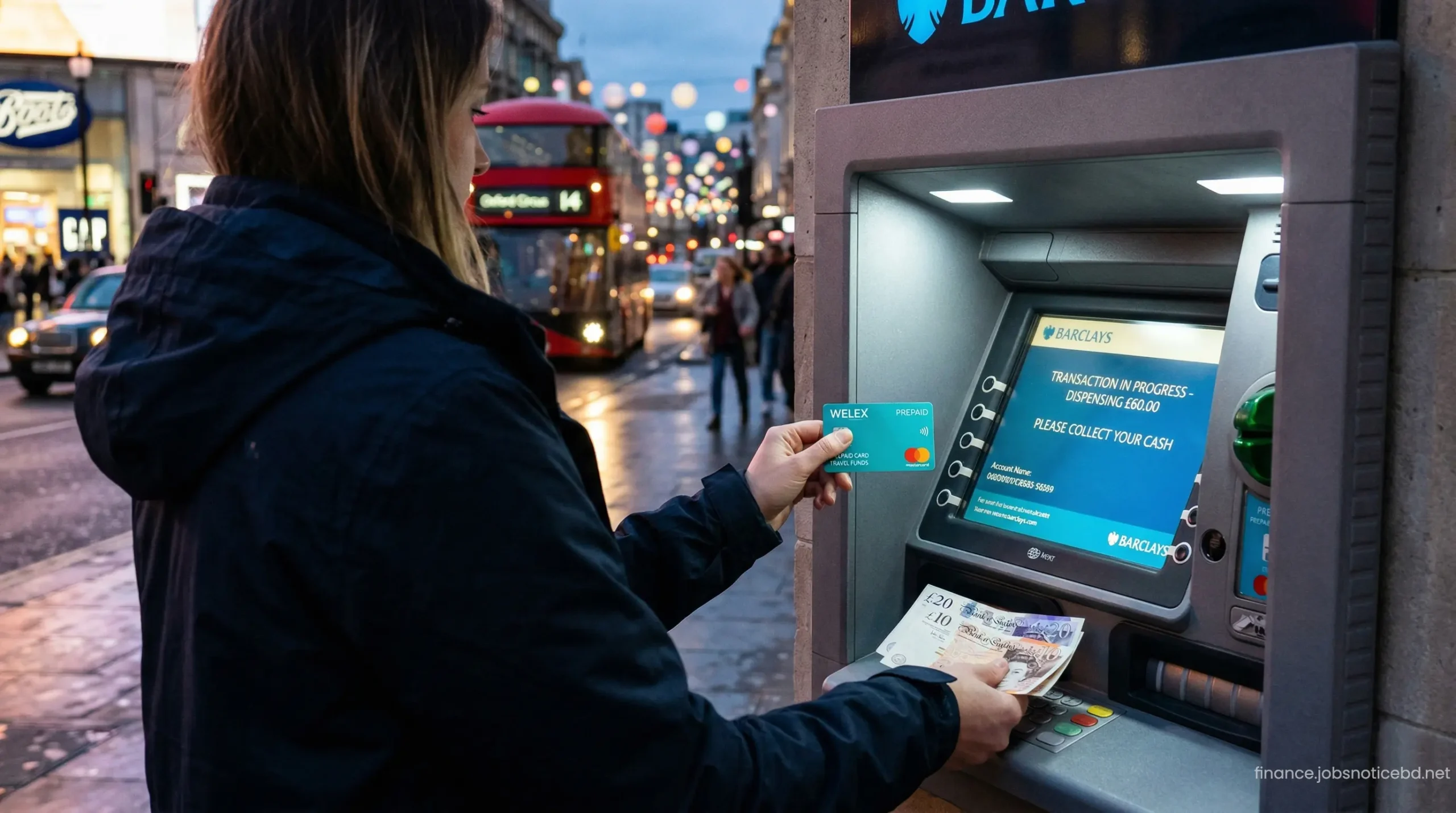
To ruthlessly minimize these charges, utilize a specialized fintech debit card or a forex card with low fixed withdrawal fees. Additionally, maximize your withdrawal amounts per transaction. Since the home bank fee is usually flat (e.g., ₹100 to ₹300 per withdrawal), withdrawing $500 once is significantly cheaper and smarter than withdrawing $100 five separate times over the week.
Furthermore, aggressively research ATM networks that have global alliances. Banks within the Global ATM Alliance explicitly waive international access fees when using partner ATMs across borders. Always, without exception, decline the ATM’s on-screen offer to convert the transaction for you, forcing the machine to dispense local currency without applying its own predatory exchange rate.
Aligning Your Cards with Premium Travel Insurance
Financial security abroad extends far beyond currency conversion and saving a few rupees on coffee. Protecting yourself against catastrophic medical emergencies, last-minute flight cancellations, and lost luggage is absolutely paramount. Many premium zero forex markup credit cards include robust, complimentary travel insurance policies as a core benefit.
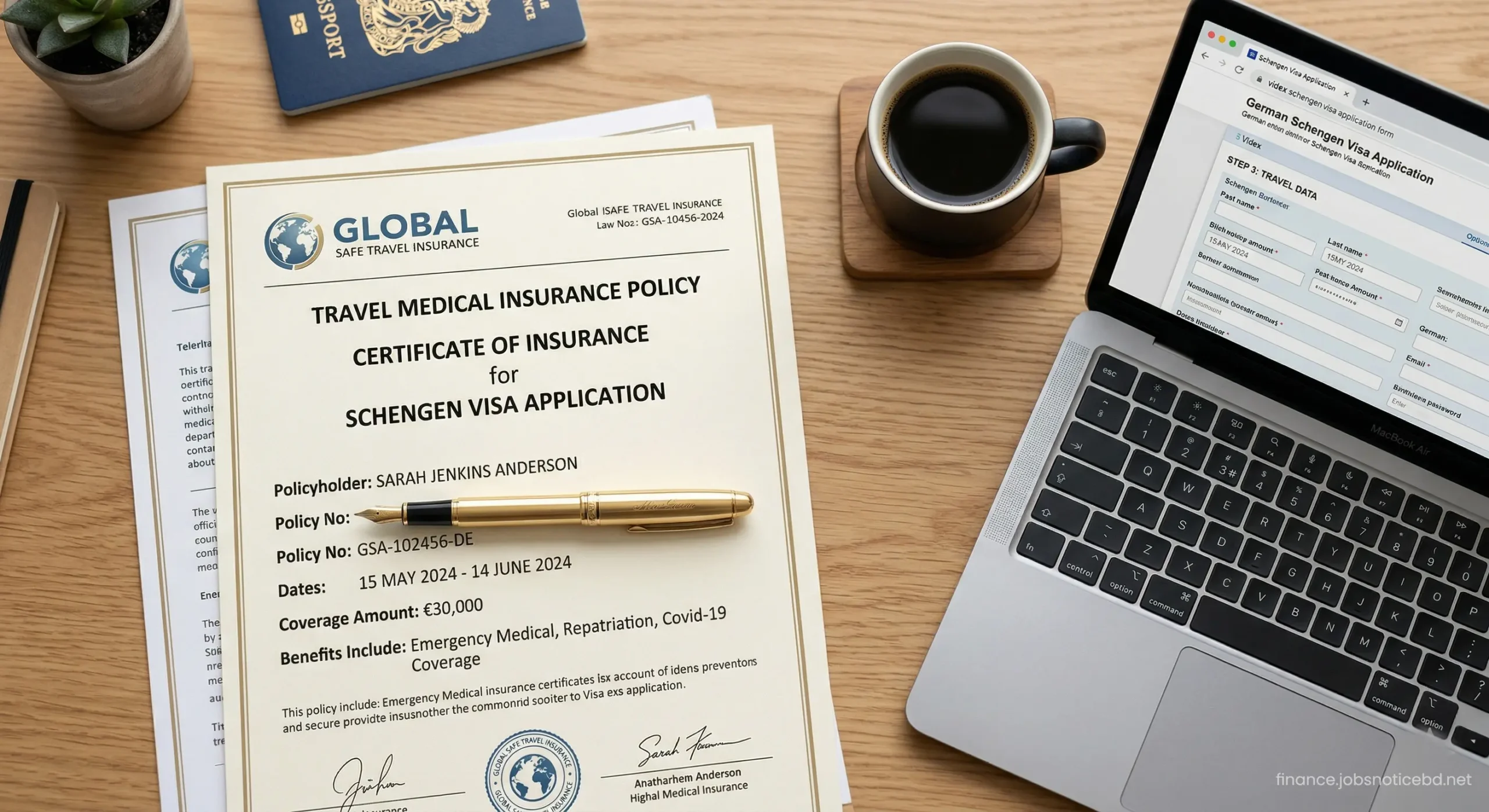
However, for specialized travel, particularly to Europe, you must ensure your coverage meets strict, legally mandated embassy requirements. Procuring comprehensive and highly reliable cheapest travel insurance for Indian senior citizens visiting Europe is an absolute prerequisite for even submitting your visa application. The policy must clearly state a minimum coverage of €30,000 for medical repatriation.
If you are traveling specifically for healthcare purposes or taking elderly family members abroad, finding the best travel insurance for cashless medical treatment abroad is critical. Do not solely rely on complimentary credit card insurance without reading the exhaustive fine print. These built-in policies often have complex activation clauses, such as requiring you to book the international flight tickets using that specific credit card to validate the coverage.
Corporate Travel Expense Management & Remittances
For Indian business owners and high-level corporate executives, managing international travel expenses efficiently directly impacts the company’s bottom line and tax liabilities. Utilizing dedicated best corporate travel credit cards in India streamlines expense tracking, automates accounting, and completely eliminates the administrative nightmare of reimbursing employees for foreign exchange losses.
Corporate cards consolidate all global spending into a unified, powerful digital dashboard. This provides CFOs with real-time visibility into employee expenditures. By equipping traveling staff with zero forex markup corporate cards, companies save a guaranteed 3.5% on every single international hotel booking, flight upgrade, and client dinner, massively reducing operational costs.
Similarly, for families sending their children abroad for higher education, leveraging international student education loans and forex hacks is essential. Using the right wire transfer mechanisms and providing students with reloadable zero-markup cards ensures that precious education funds are not wasted on massive conversion spreads month after month.
Visa Fee Payment Hacks from India
The financial drain of international travel begins long before you board the plane. Paying embassy visa fees from India can incur massive, unexpected foreign transaction charges if your card is billed in USD, Euros, or Pounds. Understanding exactly how to pay the US visa fee from India without triggering these extra markups can save you thousands of rupees instantly.
Always utilize secure, domestic payment gateways like NEFT, RTGS, or UPI when explicitly offered by the embassy portal. If a credit card is the absolute only option, use your designated zero forex markup card to process the visa payment, ensuring the exact dollar amount converts to INR at the purest wholesale rate without bank surcharges.
The Ultimate Pre-Travel Financial Checklist
To guarantee a financially flawless international trip, you must execute a strict pre-departure checklist. Failing to prepare your financial instruments can lead to locked cards, stranded funds, and immense stress in a foreign land.
First, log into your banking app and explicitly enable international usage for POS, E-commerce, and ATM withdrawals on all the cards you plan to carry. Set strict daily spending limits to mitigate fraud damage if your card is skimmed or stolen. Next, call your credit card issuer and place a “Travel Advisory” on your account, detailing the exact countries you are visiting and your exact travel dates. This prevents their aggressive anti-fraud algorithms from blocking your card when you suddenly buy a coffee in Paris.
Ensure all related banking apps are downloaded, updated, and fully logged into on your primary smartphone before leaving India. Receiving OTPs abroad can be a nightmare if your Indian SIM is not on international roaming. Finally, never keep all your cards in the same physical wallet. Keep your primary credit card in your daily wallet, and stash a backup forex card and some emergency USD cash deep inside your hotel safe.
Executing Your Master Travel Strategy
Mastering international travel finance is an exercise in strategic, meticulous preparation. The dark days of blindly paying exorbitant hidden fees to traditional banks are officially over. By leveraging the advanced financial tools available to Indian citizens today, you reclaim absolute control over your global expenditure and protect your wealth.
Your ultimate travel wallet should always be a hybrid, multi-layered architecture. It must contain a premium zero forex markup credit card for major automated payments, securing deposits, and unlocking VIP lounge access. This must be paired directly with a sophisticated multi-currency prepaid card reserved specifically for local cash ATM liquidity. This dual-layered strategy ensures unparalleled financial efficiency, ironclad security, and profound peace of mind across all borders. Travel smart, spend wisely, and let your money take you further.
Frequently Asked Questions (FAQ)
1. What is the fundamental difference between Forex Markup and Dynamic Currency Conversion (DCC)?
Forex markup is an unavoidable fee (usually 2.5% to 3.5%) charged by your Indian bank for converting rupees into foreign currency when using a standard card. DCC is an optional, highly predatory service offered by a foreign merchant’s terminal that allows you to pay in INR. DCC invariably applies a terrible exchange rate and should always be declined in favor of paying in the local currency.
2. Can I use my regular Indian debit card internationally?
Yes, provided you have explicitly enabled international transactions via your banking app. However, it is highly discouraged due to massive forex markup fees and additional flat charges levied on every single international swipe, making it the absolute most expensive way to spend money abroad.
3. How much physical cash should I carry compared to card limits?
A highly strategic balance is carrying roughly 15% to 20% of your total trip budget in physical cash (procured locally via a low-fee ATM) strictly for small vendors, tips, and transport. Reserve the remaining 80% on zero markup credit or forex cards for major expenses like hotels, dining, and shopping.
4. Does a zero forex markup card guarantee the absolute best exchange rate?
It guarantees that your bank will not add their own percentage surcharge. The actual exchange rate applied will be the live wholesale interbank rate set by the Visa or Mastercard network at the exact moment the transaction settles. This is the closest rate any retail consumer can get to the pure mid-market Google rate.
5. Will my prepaid Forex card work for holding hotel security deposits?
Forex cards and debit cards can be extremely problematic for security holds. Hotels block a certain amount, temporarily freezing those funds. It can take up to 30 to 45 days for a blocked amount to reflect back in a prepaid account after checkout. Always use an actual credit card for hotel and rental car security deposits to avoid locking up your liquidity.
6. Are zero forex markup cards actually free?
While they do not charge a markup fee on the conversion, many premium zero forex cards come with a high annual fee. You must calculate if your total foreign spend will save you more in markup fees than the cost of the annual fee itself. However, many cards waive this fee if you meet specific annual spending milestones.
7. What should I do if my card is swallowed by an international ATM?
Immediately block the card using your mobile banking application or by calling your bank’s international toll-free number. Do not leave the ATM area immediately; sometimes the machine reboots and ejects the card. This is exactly why carrying a secondary backup card is an essential part of your travel strategy.