
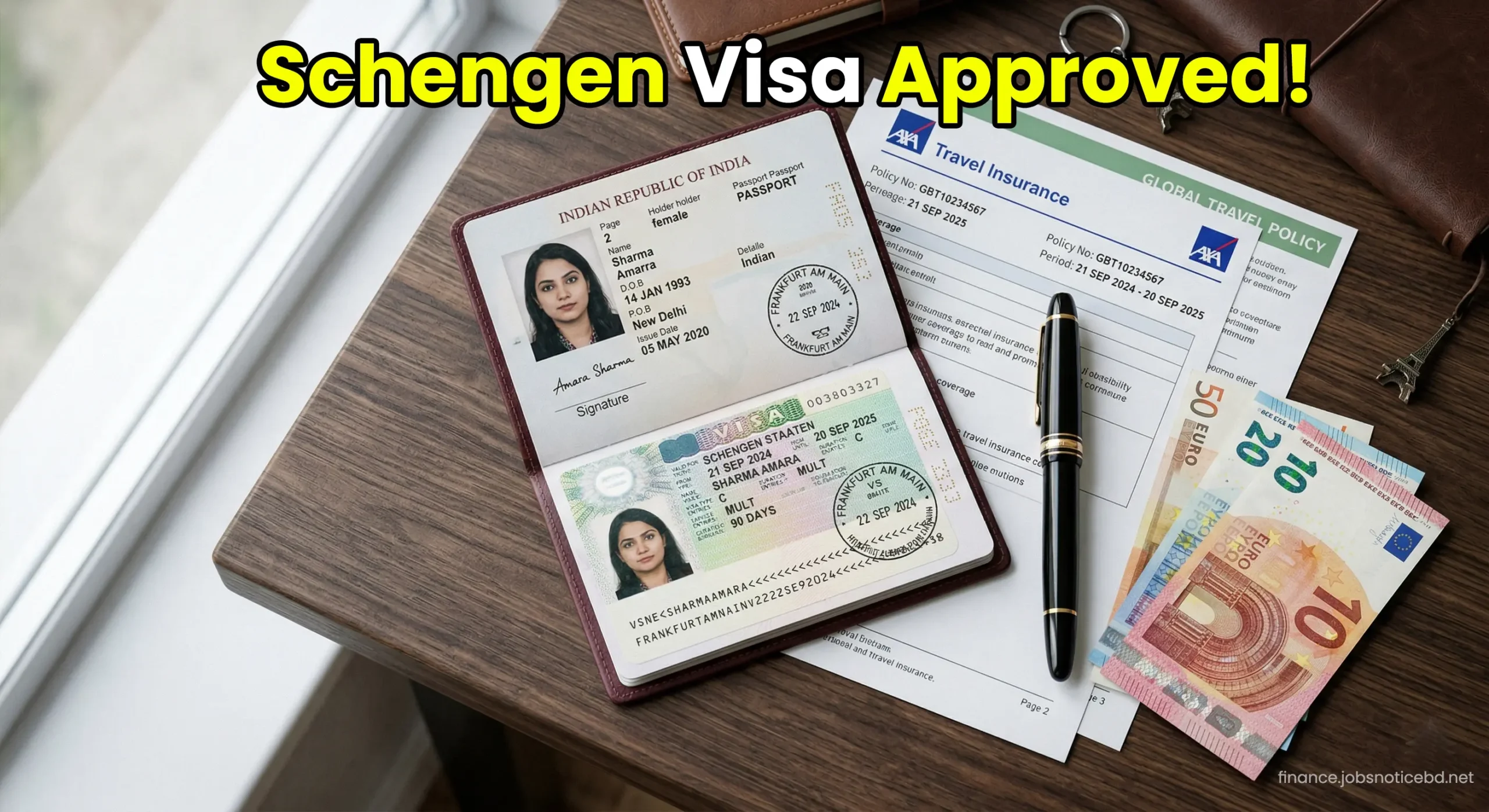
Planning a European vacation for elderly parents is an incredible gesture of love, but it comes with immense logistical responsibilities. The European healthcare system is arguably the best in the world, yet it is devastatingly expensive for non-residents. A minor medical emergency in France or Germany can instantly bankrupt an uninsured traveler. Securing comprehensive medical coverage is not just a safety net; it is a strict, non-negotiable legal requirement for obtaining a Schengen visa.
Smart Finance Disclaimer: The insurance policies, coverage limits, and premium estimates discussed in this guide are strictly for educational purposes and based on current market data. Insurance underwriting rules, particularly for senior citizens with pre-existing conditions, vary drastically. Always consult directly with the insurance provider and read the exhaustive policy wording before purchasing.
European embassies strictly mandate that your travel insurance must offer a minimum medical coverage of €30,000 (approximately ₹27 Lakhs) and specifically cover emergency medical repatriation back to India.
Never hide medical history. If a senior citizen experiences a health crisis in Europe triggered by an undeclared pre-existing condition (like hypertension or diabetes), the insurance company will instantly reject the entire claim.
Always prioritize policies offering global cashless hospitalization. Expecting an elderly traveler to pay a €15,000 hospital bill upfront out of pocket and claim reimbursement later in India is a catastrophic financial strategy.
Decoding the Mandatory Schengen Insurance Requirement
The Schengen Area consists of 29 European countries that have officially abolished passports and many other types of border controls at their mutual borders. To enter this zone, Indian citizens require a Schengen Visa. The consulates are incredibly strict regarding financial and medical security.
To even book a visa appointment, you must present a valid travel medical insurance certificate. This policy must remain valid for the entire duration of the stay across all Schengen states. It is crucial to ensure the policy explicitly states “Schengen Area” or “Worldwide” in its geographical coverage scope.
Furthermore, while the minimum required coverage is €30,000, financial experts strongly advise securing a policy with at least $100,000 to $250,000 in coverage for senior citizens. Intensive care unit (ICU) charges in countries like Switzerland or the Netherlands can easily exceed the baseline €30,000 within a few days.

Navigating Pre-Existing Medical Conditions
Insuring senior citizens (travelers above the age of 60) introduces a complex layer of underwriting known as Pre-Existing Diseases (PED). Common ailments such as hypertension, type-2 diabetes, and cardiovascular issues fall firmly into this category. Most basic, ultra-cheap travel insurance policies outright exclude any medical emergencies arising from PEDs.
If your elderly parents have known medical conditions, you must purchase a specialized policy that includes a “PED Rider” or offers life-threatening PED coverage. These policies carry a slightly higher premium, but they are absolutely vital. A standard policy is virtually useless if an existing heart condition triggers an emergency in Rome.
When applying for the policy, ensure total transparency. Declare every single medication and diagnosed condition. Insurance companies conduct rigorous medical investigations before clearing large international hospital bills. Any discrepancy or hidden medical history constitutes fraud, resulting in total claim denial.
Evaluating the Best Providers for Senior Citizens
The Indian insurance market is flooded with travel policies, but very few offer robust, reliable coverage tailored specifically for the physiological risks associated with elderly travelers. You need providers with massive global tie-ups and highly responsive international toll-free assistance networks.
Top-tier providers like Care Health Insurance, Tata AIG, and Bajaj Allianz dominate the senior citizen travel segment. They offer dedicated plans with high coverage limits and fewer sub-limits. A “sub-limit” is a dangerous clause where the insurer caps the payout for specific procedures, regardless of your total sum insured.
| Insurance Provider | Senior Citizen Age Limit | Key Advantage for Europe |
|---|---|---|
| Care Health (Explore) | Up to 90 Years | Excellent PED coverage options and zero sub-limits on premium plans. |
| Tata AIG Travel Guard | Up to 70 Years (Standard) | Massive global assistance network and fast cashless approvals. |
| Bajaj Allianz Travel Age | Up to 99 Years | Covers emergency medical evacuation and trip cancellation robustly. |
| Reliance General | Up to 80 Years | Highly competitive premiums for budget-conscious families. |
When comparing these policies online, do not blindly sort by the lowest price. The absolute cheapest policy usually features catastrophic sub-limits, rendering the €30,000 coverage highly deceptive. Read the policy wording to ensure “Cashless Hospitalization” is definitively included.

The Critical Importance of Cashless Hospitalization
There are two methods by which travel insurance settles medical bills: Reimbursement and Cashless. A reimbursement policy requires the traveler to pay the foreign hospital directly using their own funds. Upon returning to India, they submit the massive pile of foreign medical bills and pray the insurance company reimburses them.
This is a terrifying prospect for a senior citizen. Most travelers do not have ₹15 Lakhs of liquid cash available on their zero forex markup credit cards to instantly clear a European hospital bill. Cashless hospitalization is the only viable strategy.
With a cashless policy, the hospital’s billing department coordinates directly with your Indian insurance provider’s Third Party Administrator (TPA) in Europe. The insurance company pays the hospital directly, leaving you to focus entirely on your loved one’s recovery without crippling financial stress.
Never rely on the “complimentary” travel insurance provided by your premium credit card when applying for a Schengen visa for elderly parents. While credit cards offer decent coverage for lost luggage, their medical coverage is often highly restricted, lacks comprehensive PED support, and frequently fails to meet the strict €30,000 repatriation mandate set by European embassies. Always buy a dedicated, standalone policy.
Strategies to Avoid Vexatious Claim Rejections
Securing the policy is only half the battle; ensuring the claim is honored during an emergency is paramount. Insurance companies are heavily optimized to find discrepancies. You must strictly adhere to their operational protocols to guarantee a smooth, cashless experience abroad.
First, immediately notify the insurance company’s international toll-free number the moment a medical emergency occurs. Most policies mandate that the TPA must be informed within 24 to 48 hours of hospitalization. Failing to notify them promptly gives the insurer legal grounds to reject the cashless request.

Second, ensure you carry physical, printed copies of the insurance certificate, the exhaustive policy wording, and the emergency contact numbers. Keep one copy in your daily travel bag and another locked in the hotel safe. Digital copies on a smartphone are useless if the phone’s battery dies during an ambulance ride.
Finally, avoid engaging in activities explicitly excluded by the policy. If an elderly traveler suffers an injury while participating in an undeclared adventure sport or under the influence of substances, the medical claim will be categorically denied without appeal.
Shielding Your Wealth Beyond Insurance
While securing a premium health policy protects against medical bankruptcy, you must also optimize your daily travel expenditures. Europe operates heavily on card payments, but executing transactions with a standard Indian debit card triggers predatory fees.
To fully protect your vacation budget, you must eliminate hidden forex markup charges. Ensure you equip your traveling parents with a dedicated zero-markup multi-currency card. This ensures they can buy coffee in Paris or a train ticket in Rome without losing 4% of their money to invisible bank fees.

Finalizing Your European Protection Plan
Sending your senior citizen parents to experience the wonders of Europe is a beautiful milestone. Do not allow the joy of the journey to be overshadowed by extreme financial anxiety. A meticulously researched travel insurance policy acts as an invisible, impenetrable shield around their health and your wealth.
By securing a policy with zero sub-limits, robust pre-existing disease coverage, and guaranteed cashless hospitalization, you fulfill the strict Schengen visa mandates while ensuring ultimate peace of mind. Equip them with the right insurance, arm them with optimized forex cards, and let them explore the continent with absolute confidence and security.
Frequently Asked Questions (FAQ)
1. Does the €30,000 Schengen requirement mean the policy costs that much?
No, €30,000 (roughly ₹27 Lakhs) is the minimum coverage amount the insurance company promises to pay the hospital in case of an emergency. The actual premium you pay to buy this policy is very low, typically ranging from ₹1,500 to ₹5,000 depending on the traveler’s age and trip duration.
2. Will the embassy reject the visa if the insurance does not cover COVID-19?
Yes. In the post-pandemic era, most Schengen embassies strictly require that your travel medical insurance explicitly mentions coverage for COVID-19 related hospitalization and quarantine expenses. Ensure your provider includes this clause clearly on the certificate.
3. Can I buy travel insurance after my parents have already landed in Europe?
No. You must purchase travel insurance while the traveler is physically present in India, before the journey begins. Furthermore, you cannot even secure a visa appointment without presenting a valid insurance policy bought in advance.
4. What is a “Deductible” in travel insurance?
A deductible is the initial amount of money you must pay out of pocket before the insurance company covers the rest of the bill. For example, if your policy has a $100 deductible and the hospital bill is $1,000, you pay $100, and the insurer pays $900. Try to find policies with zero or very low deductibles.
5. Can senior citizens get coverage for adventure activities in Europe?
Standard policies strictly exclude adventure sports (like skiing in the Swiss Alps). If your elderly parents plan to participate in such activities, you must purchase a specific “Adventure Sports Rider” to ensure any resulting injuries are legally covered by the insurer.